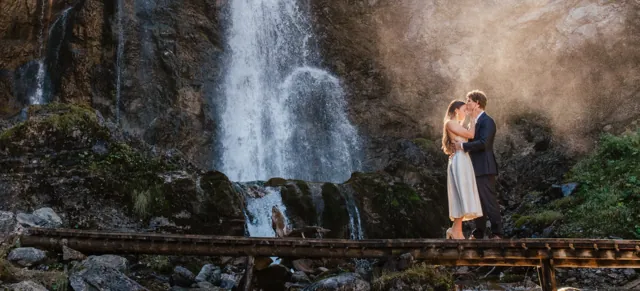
Every phone takes sharp pictures now. Every camera nails exposure. Technical perfection became free, and wedding photos started looking strangely alike: clean, bright, and a little interchangeable.
Film is the opposite bet. It costs money per click, demands attention, and comes back from the lab with character that wasn’t computed. That’s why analog wedding photography didn’t die with the megapixel race; it quietly became the thing couples ask for again. Here’s what film actually does, where digital still wins, and how I use both so you never have to choose.
What film actually does differently
The difference isn’t nostalgia. It’s physics and chemistry.
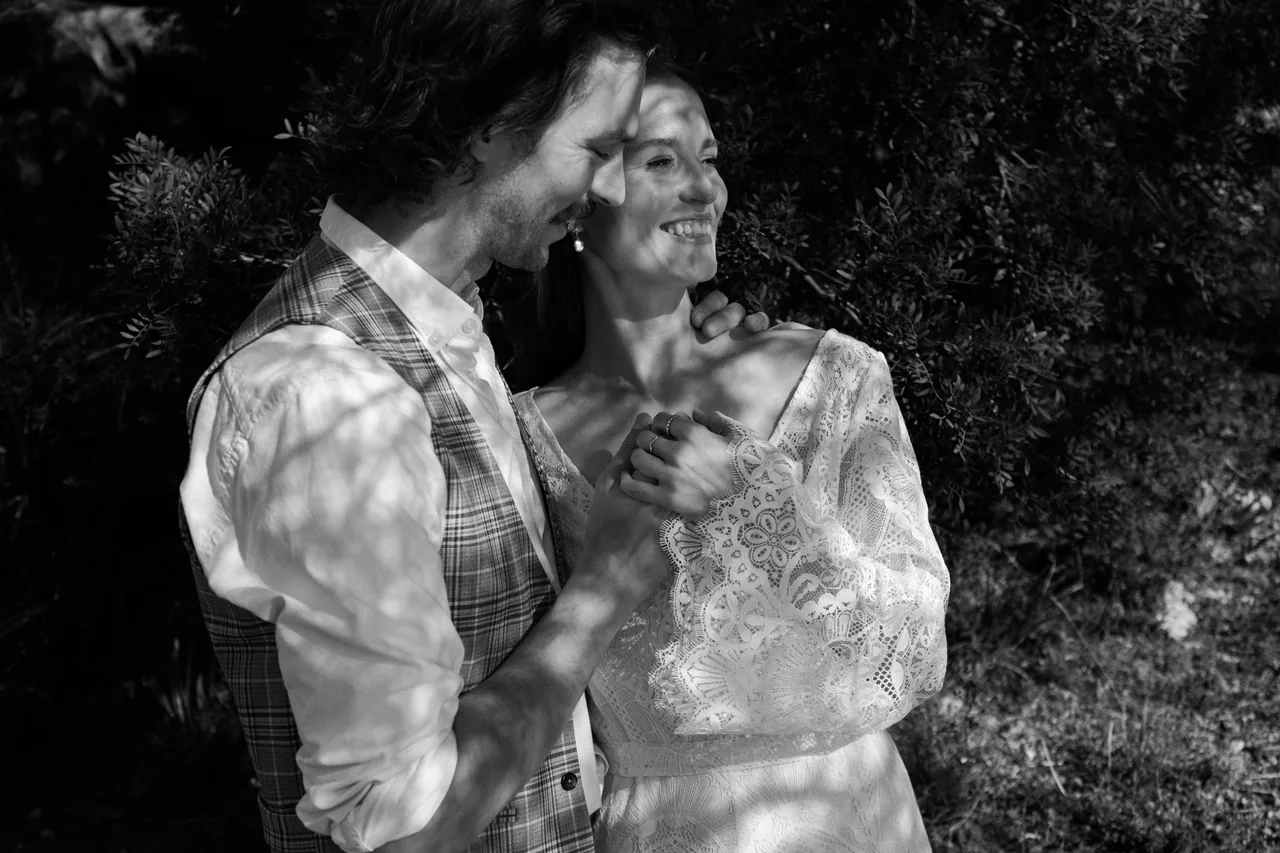
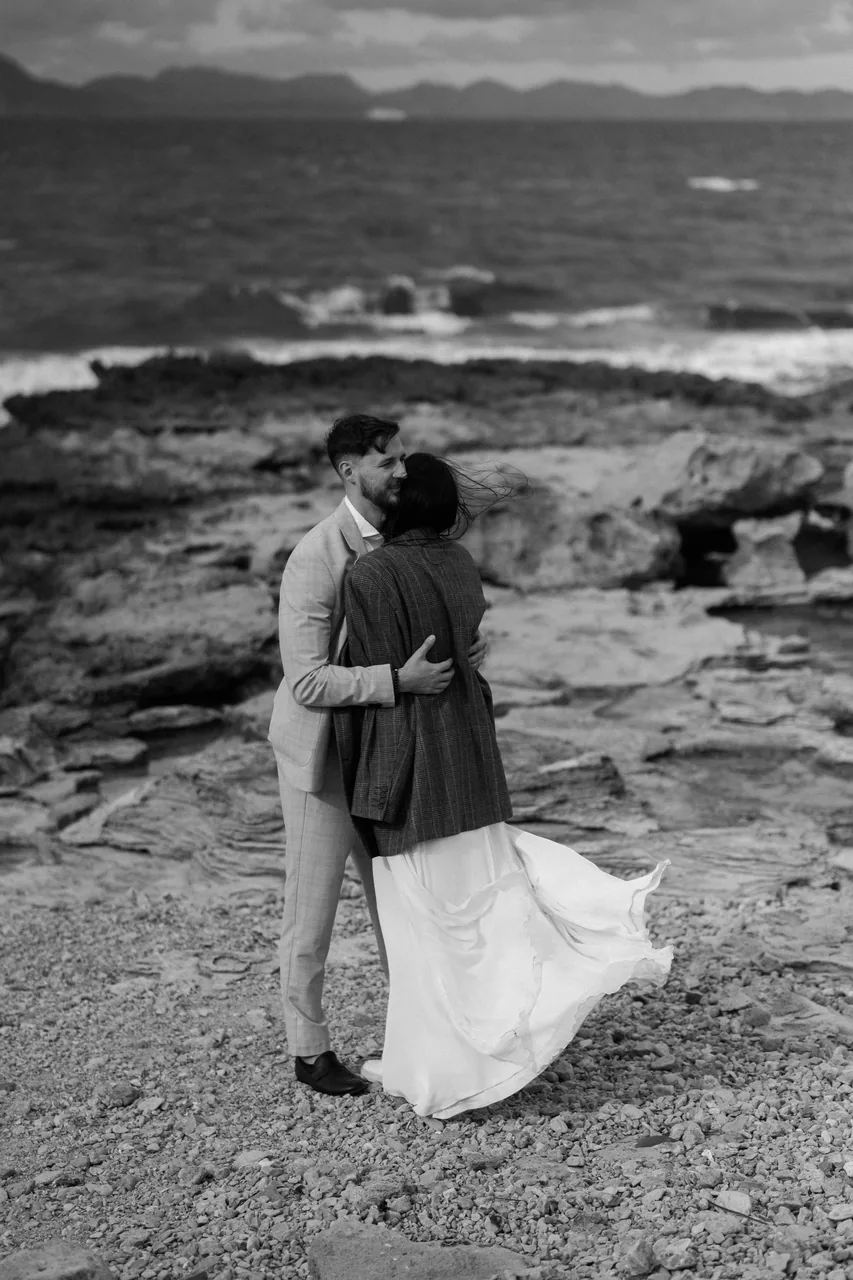
Film renders light gradually. Highlights roll off instead of clipping, so a white dress in the sun keeps its detail and a sunset keeps its depth. Skin tones come out warm without editing tricks. And the grain is a real physical structure, not a filter laid over a clean file. It’s the texture people point at when they say “that looks like film”.
There’s a second difference you can’t see in a single frame but can feel across a gallery. Every film frame costs something, so it gets composed, considered, and taken once. That discipline changes what the photographer notices, and the slowness shows up in the pictures.
Format matters too, and I shoot both. 35mm brings speed and that classic reportage grain. Medium format, the larger 120 film, slows everything further and pays portraits back with smoother tones and remarkable detail.
Where digital still wins
To be fair to digital: it earns its place at every wedding I shoot.
It’s unbeatable when light gets difficult, in fast sequences where one blink ruins a frame, and at dinner when candles are doing the lighting. It allows volume where volume helps, and certainty everywhere. Anyone who tells you film alone is enough for a full wedding day is being romantic with your one chance at these images.
So both come along, every time. Digital carries the day’s reliability; film carries its texture.
How I actually work with both
Film isn’t an upsell or a special request in my packages. It’s simply part of how I see, built over 15 years of photographing landscapes, and it’s included on every wedding and elopement.
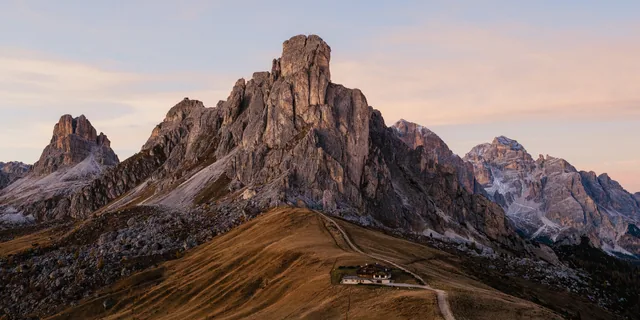
In practice that means digital runs throughout the day as the backbone. Film comes out deliberately: portraits in soft light, the quiet minutes between events, landscapes that deserve the texture, golden light that colour negative film was practically invented for. And the parts you can’t repeat, the vows, the rings, are always photographed digitally as well, so film never gambles with anything.
You don’t have to manage any of this. The gallery arrives as one body of work, film and digital woven together, consistent in feel.
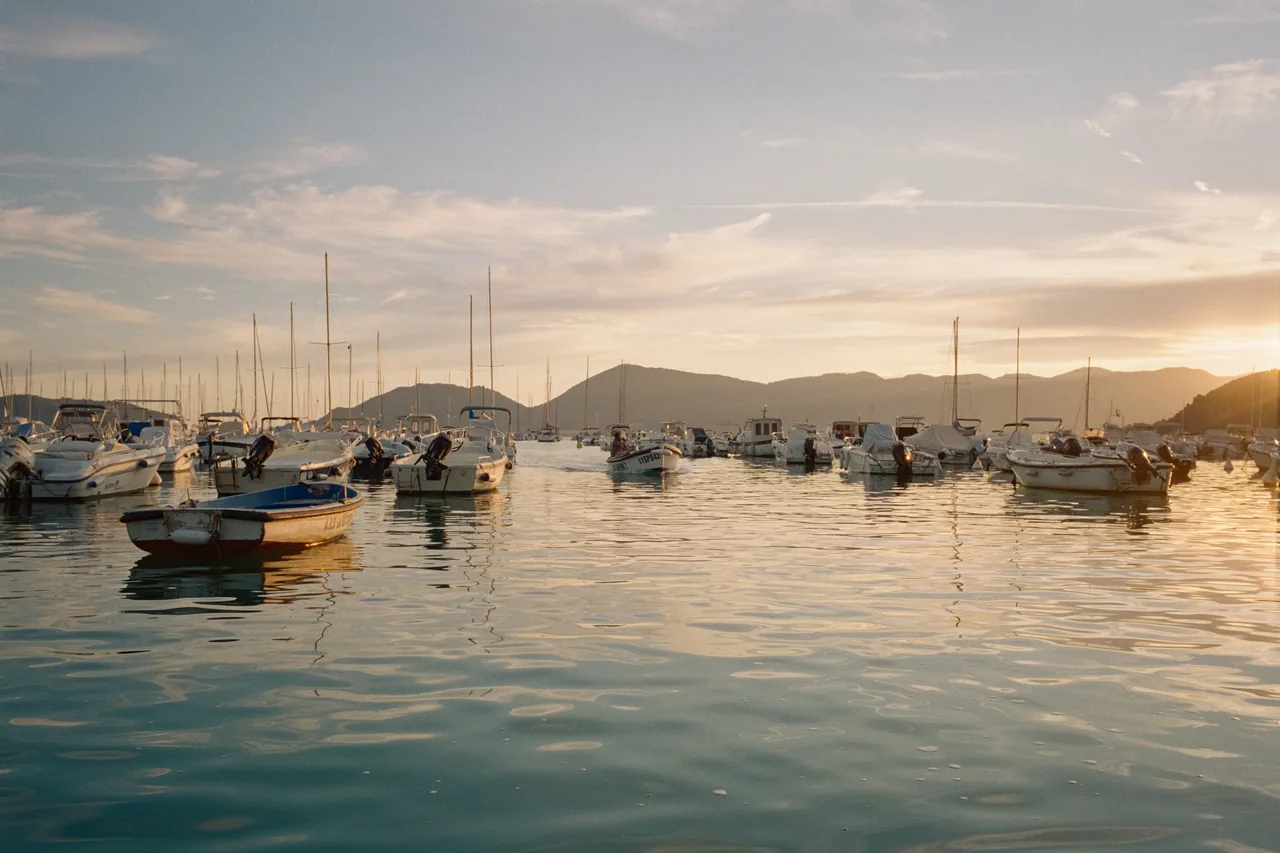
Won't feel dated in ten years. That's the entire brief.
The ten-year test
Trends in wedding photography move fast: dark and moody one year, bright and airy the next, heavy orange the year after. Most of it ages the way fashion ages.
Film sets the standard precisely because it doesn’t move. The look of a well-exposed frame of colour negative film has been beautiful for fifty years, and it photographs weddings today exactly as well. When I edit digital files, film is the reference: natural colour, soft grain, nothing over-processed. The goal is images that drop you back into the day decades from now, without a timestamp of the year they were taken.
What to ask any film photographer
If this look matters to you, three questions sort the field quickly. Ask whether film is included or a paid add-on. Ask how they protect the irreplaceable parts of the day, and the answer should involve digital backup. And ask to see one full gallery rather than highlights. You want the film and digital frames to feel like one set of images instead of two styles stapled together.
If you’d like to see how this look behaves across a whole day, my portfolio mixes both freely. The about page tells you where the style comes from.
The look is the reason
Plenty of decisions in wedding planning are logistics. This one is taste. If the soft, grainy, lived-in look is how you want your marriage remembered, find someone who shoots film because they love it.
The photography is one half. The other half is a day worth photographing, and the planning guide covers that. Or just tell me what you’re picturing, and we’ll figure out both.
Frequently asked questions
01 Is film wedding photography better than digital?
Neither wins; they do different jobs. Digital is fast, reliable and superb in difficult light. Film brings colour, grain and a deliberateness that digital can only imitate. That's why I shoot both on every wedding.
02 Why does film photography look different?
Film responds to light chemically rather than digitally, which renders highlights, skin tones and colour transitions in a softer, more gradual way. The grain is real texture, not an effect added afterwards.
03 Is shooting film at a wedding risky?
Less than it sounds when it's paired with digital. The parts you can't repeat are always photographed digitally as well, so nothing depends on a roll of film alone. With that safety net, film is pure upside.
04 Do film wedding photos cost extra?
Often, because film stock and lab development cost real money per frame. In my packages film is simply included, since I consider it part of the work rather than an add-on.
05 How many film photos will we get from our wedding?
Fewer than digital, on purpose. A roll holds 36 frames, so film shots are chosen carefully. Expect a deliberate selection woven through your gallery instead of hundreds of grainy duplicates.